Konya or Istanbul: where to see the whirling dervishes
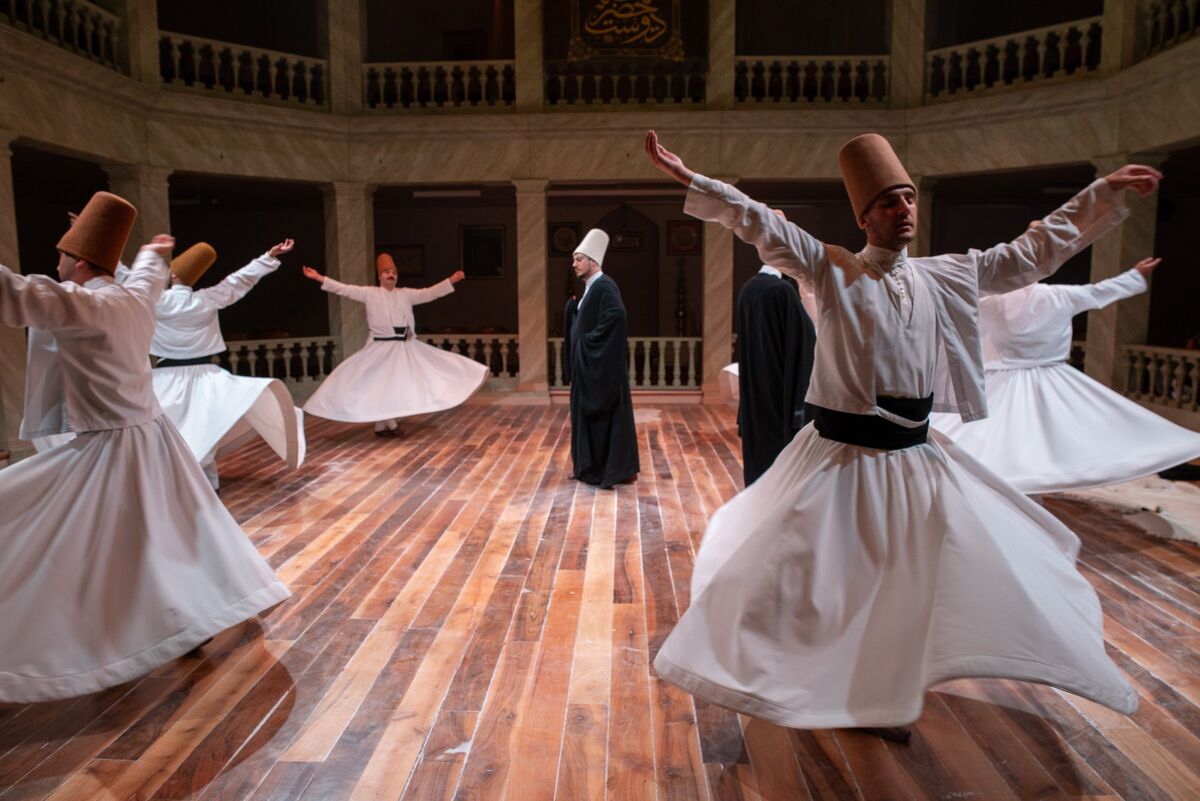
Konya is the city most associated with the whirling dervishes: Rumi lived and is buried there, and the Mevlevi order began there. It holds a ticketed Sema every Saturday at 19:00 in a 2,650-seat hall, and the great commemoration of 7 to 17 December. Istanbul, a day's travel away, has more choice: the Sema in a working lodge at Kasımpaşa three times a week, and staged shows every night.
Checked against its sources on .
Konya
Jalal al-Din Rumi, Mevlânâ to Turks, was born in 1207 in Balkh and settled with his family in Konya, then the Seljuk capital. He taught, wrote the Masnavi there, and died there on 17 December 1273. His son Sultan Walad and their successors organised his followers into the Mevlevi order, and Konya remained its mother lodge. Rumi's green-domed tomb is now the Mevlana Museum, which is free to enter.
The public Sema returned in Konya in the early 1950s, and the city still stages it on a large scale. The Mevlana Cultural Center holds a ceremony every Saturday at 19:00 in a hall of 2,650 seats, performed by the Culture Ministry's Konya Turkish Sufi Music Ensemble. It is ticketed, sold on biletinial; the older claim that it is free is out of date. Every year from 7 to 17 December the city holds the international commemoration of Rumi's death, ending on the night of 17 December, Şeb-i Arus.
Istanbul
Istanbul had more Mevlevi lodges than any other Ottoman city: Galata (1491), Yenikapı, Kasımpaşa, Beşiktaş, Bahariye and Üsküdar among them. Several survive or have been rebuilt. Today the city offers the widest choice of ceremonies: the Sema in a working lodge at Kasımpaşa Mevlevihanesi every Wednesday, Friday and Sunday at 17:00, occasional ceremonies at Bahariye and Yenikapı, and staged shows every night in Sirkeci and Sultanahmet. Every Istanbul option, compared.
Side by side
| Aspect | Konya | Istanbul |
|---|---|---|
| Weekly ceremony | Saturday 19:00, Mevlana Cultural Center | Wednesday, Friday, Sunday 17:00 at Kasımpaşa Mevlevihanesi; staged shows nightly |
| Setting | A 2,650-seat purpose-built hall | A 180-seat lodge hall at Kasımpaşa; converted halls for the shows |
| Performed by | The Culture Ministry's Sufi music ensemble | At Kasımpaşa, the lodge's own community; various groups elsewhere |
| December | Şeb-i Arus, 7–17 December, nightly | Special ceremonies at some venues |
| Also there | Rumi's tomb and the Mevlana Museum, free | The Galata Mevlevi Museum; the lodges' graveyards and buildings |
Which to choose
If your trip is to Istanbul, you do not need to go to Konya to see the Sema: go to a lodge ceremony here, and one guest who had seen both put it well, finding Konya's hall "too big and theatrical" by comparison. If you are drawn to Rumi himself, or you will be in Turkey in mid-December, Konya is worth the journey for his tomb and the commemoration.
Questions people ask
- Which city is known for its whirling dervishes?
- Konya, in central Turkey. The poet Rumi lived and died there in 1273, his tomb is there, and the Mevlevi order of whirling dervishes was founded there after his death. Istanbul had the most Mevlevi lodges in Ottoman times and has the most ceremonies today.
- When can you see the whirling dervishes in Konya?
- Every Saturday at 19:00 at the Mevlana Cultural Center, ticketed through biletinial, and every night from 7 to 17 December during the commemoration of Rumi's death, Şeb-i Arus.
- Is it worth going to Konya just for the whirling dervishes?
- If you have time and want Rumi's tomb and the Mevlana Museum as well, yes; Konya is a short flight from Istanbul or a few hours by high-speed train. If you only want to see the Sema, Istanbul offers it several times a week.