Can you take photos at a whirling dervish ceremony?
Not during the ceremony at Kasımpaşa Mevlevihanesi: photography, video and applause are prohibited once it begins, and phones should be silenced or switched off. The Sema is a prayer, and a room of lit screens changes it for everyone. Rules differ elsewhere: Hodjapasha also forbids photography, while some Sultanahmet shows allow it.
Checked against its sources on .
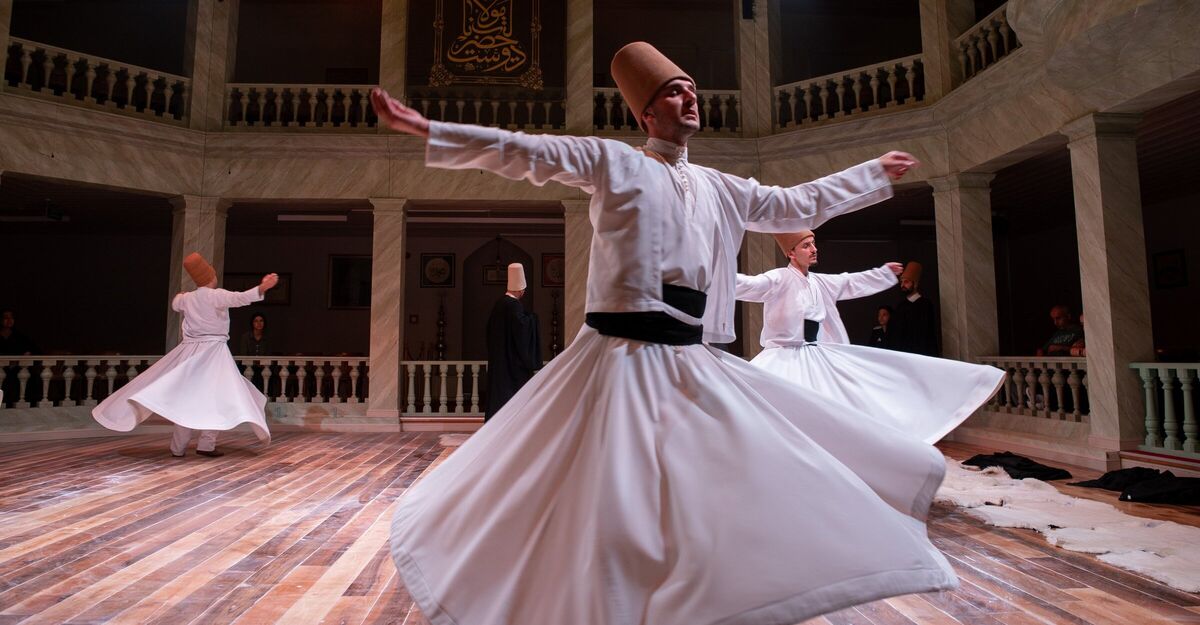
The rule
At Kasımpaşa Mevlevihanesi, during the ceremony:
- No photographs, with or without flash.
- No video.
- No applause, at any point.
- Phones silenced or switched off, and screens dark.
Why
The Sema is a prayer. The dervishes are not performing for a camera, and the lodge holds the ceremony as worship, not as a show. A single lit screen in a quiet hall pulls every eye in the gallery. Visitors to some staged shows in the city complain about exactly this: a wall of phones between them and the dervishes. Guests at Kasımpaşa often mention the silence instead.
At other venues
Hodjapasha, the best-known staged ceremony, also prohibits photography. Some smaller shows in Sultanahmet allow photos and video and say so in their listings. If a picture matters to you, book one of those. All the venues, compared.
Photos to keep
The photographs on this site are the lodge's own. The lodge also posts images and video of its ceremonies on Instagram and YouTube.
Questions people ask
- Can you take pictures of whirling dervishes?
- Not during a lodge ceremony. At Kasımpaşa Mevlevihanesi, photography, video and applause are prohibited during the ceremony. Some staged shows in Sultanahmet allow photos; check the venue's rules.
- Is flash photography allowed?
- No. Flash is prohibited, and at Kasımpaşa so is any photography or video during the ceremony.
- Can I film the whirling dervishes?
- No, not during the ceremony at Kasımpaşa Mevlevihanesi or at Hodjapasha.