Whirling dervish show or ceremony? How to tell before you book
A whirling dervish ceremony is the Sema held as prayer in a Mevlevi lodge, led by its sheikh, which visitors may attend in silence. A whirling dervish show is a staged version of it, put on in a hall, restaurant or boat on a schedule made for visitors. Both use real dervishes and live music; the difference is the setting, the purpose and the rules.
Checked against its sources on .
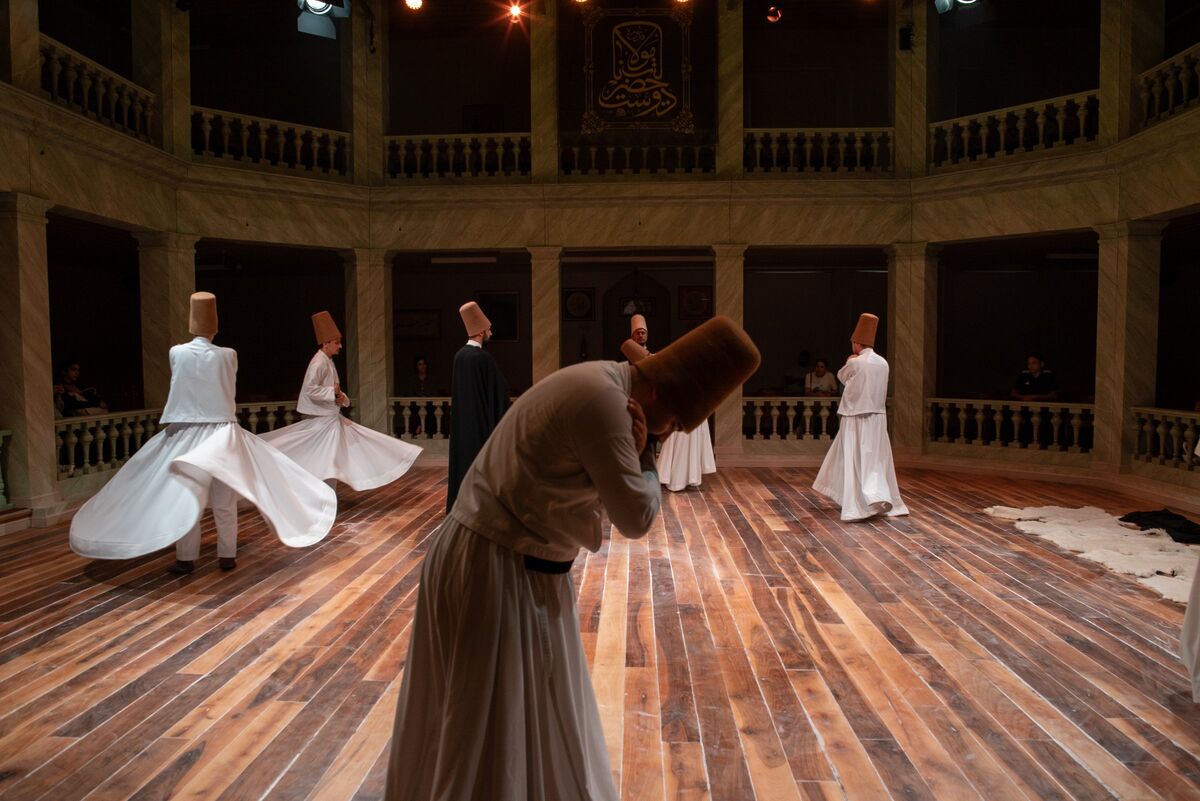
The Sema is a ritual of the Mevlevi order, the Sufi brotherhood that grew up around the poet Rumi in Konya in the 13th century. For seven hundred years it was held in lodges, called mevlevihanes, as a form of prayer. When Turkey closed all dervish lodges in 1925, the rite went underground; when it reappeared in public, in Konya in the early 1950s, it came back as a cultural performance. That double life has never quite ended, and it is why Istanbul now offers both.
What differs
| Aspect | Ceremony in a lodge | Staged show |
|---|---|---|
| Setting | A mevlevihane with its ceremony hall, the semahane | A converted bathhouse, medrese, theatre, restaurant or boat |
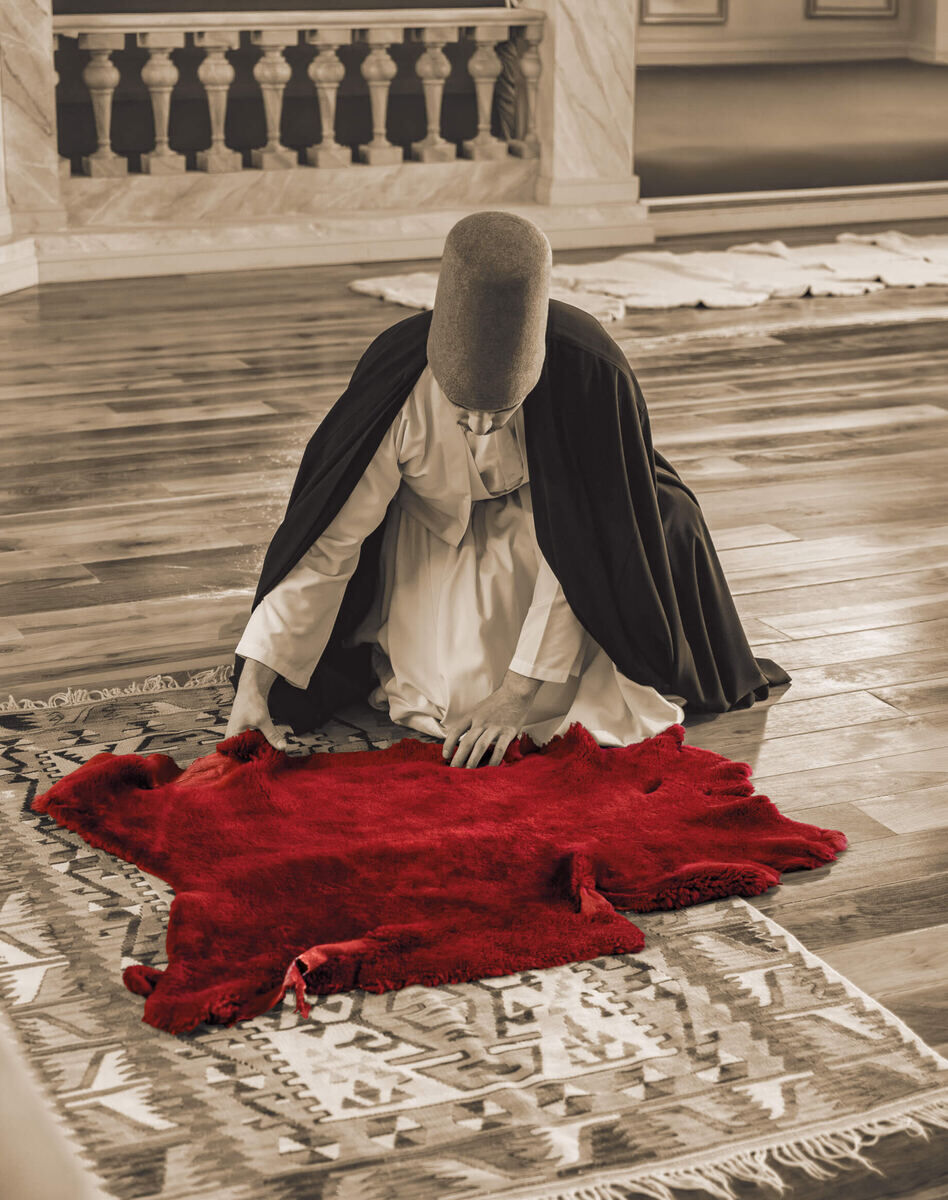
| Led by | The lodge's sheikh, seated on the red sheepskin | A performing group, sometimes with a narrator or film |
| Order | The rite's own order: hymn, reed flute, the walk, four salutations, recitation, prayer | Often condensed, sometimes reordered to reach the turning sooner |
| Schedule | Set by the lodge; at Kasımpaşa, Wednesday, Friday and Sunday at 17:00 | Set for visitors; most evenings, often 19:00 or later |
| Audience | Visitors, admitted to a rite held by the lodge | Visitors, for whom the evening is put on |
| Applause | None | Discouraged at some venues, expected at others |
| Photos | Not during the ceremony | Varies: forbidden at Hodjapasha, allowed at some Sultanahmet shows |
Why it matters to your evening
Reviews of every whirling dervish evening in Istanbul split along one line. People who expected a spectacle and found a prayer call it slow, and some admit to nodding off during the long musical opening. People who expected a prayer and found a spectacle call it touristy. Neither evening was bad. The booking was wrong.
At a lodge, the slowness is the point. The ceremony opens with a hymn and a long solo on the ney, the reed flute, before anyone turns; the dervishes then walk around the hall three times, bowing; only then does the turning begin, in four parts. The order, step by step.
How to tell which one you are booking
- Find the building's name. A lodge is a mevlevihane: Kasımpaşa, Yenikapı, Bahariye, Galata. If the listing names a hotel, a restaurant, a boat, a cistern or only a "meeting point", it is a show.
- Look at the time. Lodge ceremonies are set by the lodge and rarely daily. A show every night at the same hour is scheduled for visitors.
- Look for the sheikh. A ceremony is led by a sheikh, who does not whirl. A show may have a presenter, a film or nobody.
- Read the rules. Lodges forbid photography and applause during the rite. A listing that invites you to film is selling a performance.
- Check who sells it. Many sites with names like a venue are resellers. The venue's own site, or a site that says whose it is, is the safer booking.
If you go to a ceremony
You do not need to be Muslim, or religious, to attend. You are asked what any place of worship asks: modest clothes, a silent phone, no photographs, no applause, and to stay seated until the dervishes have left. Etiquette, in full.
Questions people ask
- Is the whirling dervish a show or a religious ceremony?
- Originally and properly, a religious ceremony: the Sema is a Mevlevi prayer. UNESCO notes that versions shortened and simplified for tourists are now common. At a working lodge you see the ceremony; in a theatre or restaurant you see a performance of it.
- Is the whirling dervish show worth it?
- Most people who go knowing what it is are glad they went. The common complaint is from people who expected an hour of spinning and got a slow prayer with a long musical opening. Read the order of the ceremony before you go and it makes sense.
- Is it disrespectful to watch whirling dervishes?
- No. Lodges admit visitors on purpose. What is asked of you is what you would give at any service: arrive on time, stay quiet, keep your phone away and do not applaud.
- Can non-Muslims attend a whirling dervish ceremony?
- Yes. Visitors of any faith or none are welcome at Kasımpaşa Mevlevihanesi, and the introduction is given in English as well as Turkish.